Graduate Program
Thank you for your interest in the graduate programs at WSU’s Criminal Justice and Criminology department. Our MA and PhD programs offer a dynamic and intellectually rigorous environment where students engage in cutting-edge research, policy analysis, and theoretical exploration of crime and justice.
Whether you’re pursuing advanced studies to enhance your career or aiming to contribute to groundbreaking research, you’ll find mentorship from distinguished faculty, access to top-tier resources, and a vibrant academic community dedicated to fostering critical thinking and real-world impact. Become part of a distinguished academic community committed to shaping the future of criminal justice through innovation and expertise.
Graduate Program Objectives
Students in the program will:
- Analyze, conceptualize, and theorize the evolving dynamics of crime, security, and justice in the United States and globally.
- Acquire cultural, methodological, and analytical skills necessary for interpreting complex security and justice-related data.
These objectives are tailored to each academic level, ensuring a comprehensive and structured approach to learning.
Both the Master’s and PhD programs provide an in-depth understanding of the criminal justice system, criminological theory, and analytical methods. The department offers a diverse range of specializations while fostering a close-knit academic community, allowing students to benefit from both breadth and mentorship opportunities.
Strong Methodological and Analytical Training
The Department of Criminal Justice and Criminology at Washington State University provides rigorous methodological and analytical training as a core component of its graduate programs. Students develop advanced competencies in both quantitative and qualitative research methods, statistical analysis, and data interpretation. This training equips graduates to critically evaluate complex criminal justice issues, conduct independent research, and contribute to evidence-based policy and practice. Emphasis is placed on applying methodological tools to real-world problems, preparing students for academic, governmental, and private-sector roles that demand analytical precision and research excellence.
Collaborative, Active Scholarly Community
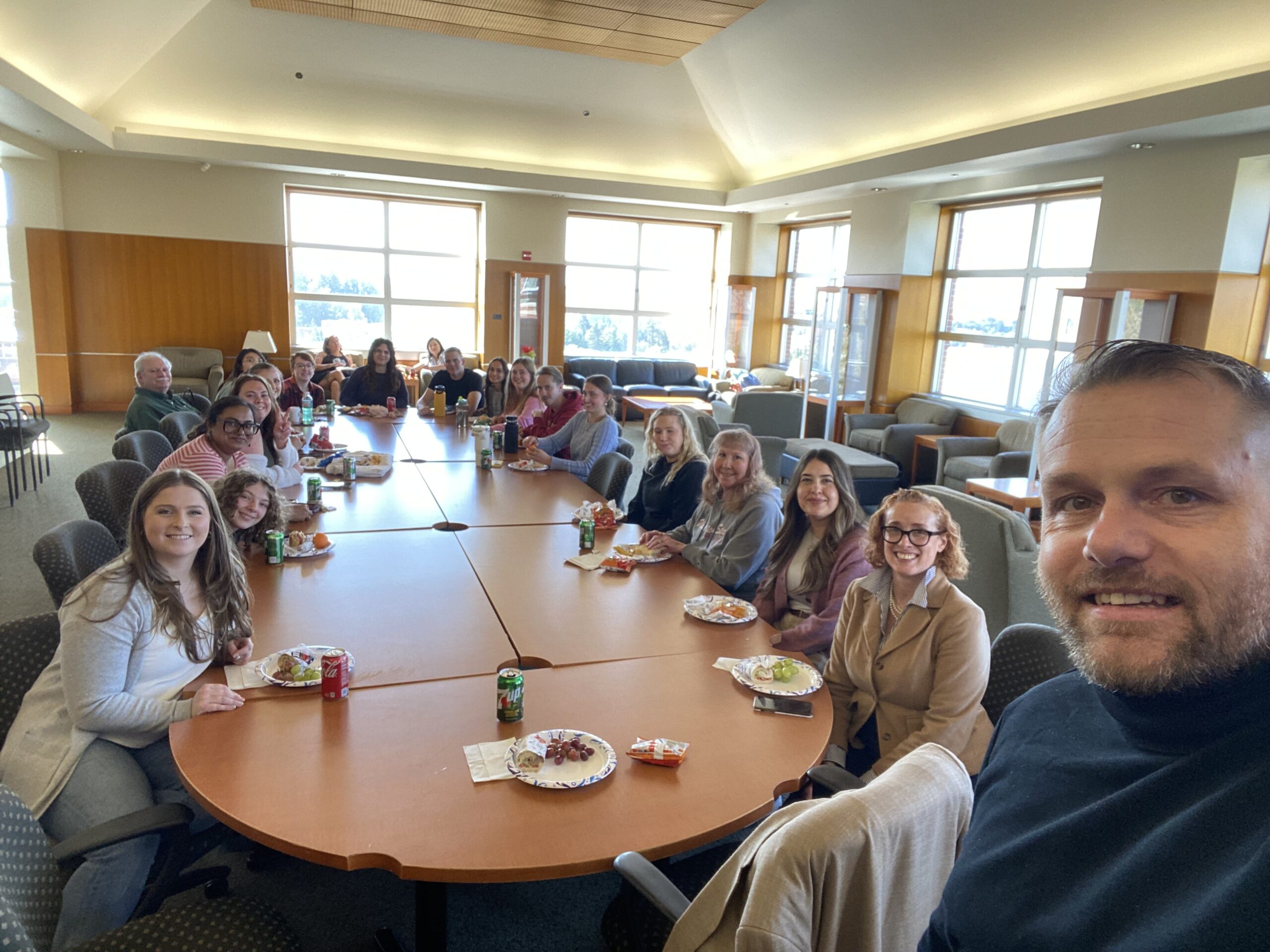
The Department of Criminal Justice and Criminology at Washington State University fosters a vibrant and collaborative scholarly community. Faculty and graduate students engage in ongoing research partnerships, interdisciplinary projects, and regular academic dialogue through seminars, workshops, and conferences. This dynamic environment encourages intellectual exchange, mentorship, and professional development, creating a supportive space where ideas are shared, challenged, and refined. The department’s culture of collaboration not only enhances the quality of research but also prepares students to contribute meaningfully to academic and professional communities.
Support for Graduate Research and Teaching
Washington State University’s Department of Criminal Justice and Criminology is deeply committed to supporting graduate students in both research and teaching. Students benefit from access to research assistantships, funding opportunities, and mentorship from faculty actively engaged in cutting-edge scholarship. In addition, graduate teaching assistants receive comprehensive mentorship to develop effective instructional skills, preparing them for future roles in academia and beyond.
Applying to the Program
Prospective students interested in pursuing graduate studies in Criminal Justice and Criminology at Washington State University are encouraged to apply through the Graduate School’s online application system. Admission is competitive and based on a holistic review of academic background, research interests, and professional goals. To apply, please visit the WSU Graduate School website and click on “Apply.”
Graduate Student Handbook
For additional information on Criminal Justice and Criminology at WSU, consult the Graduate Student Handbook.